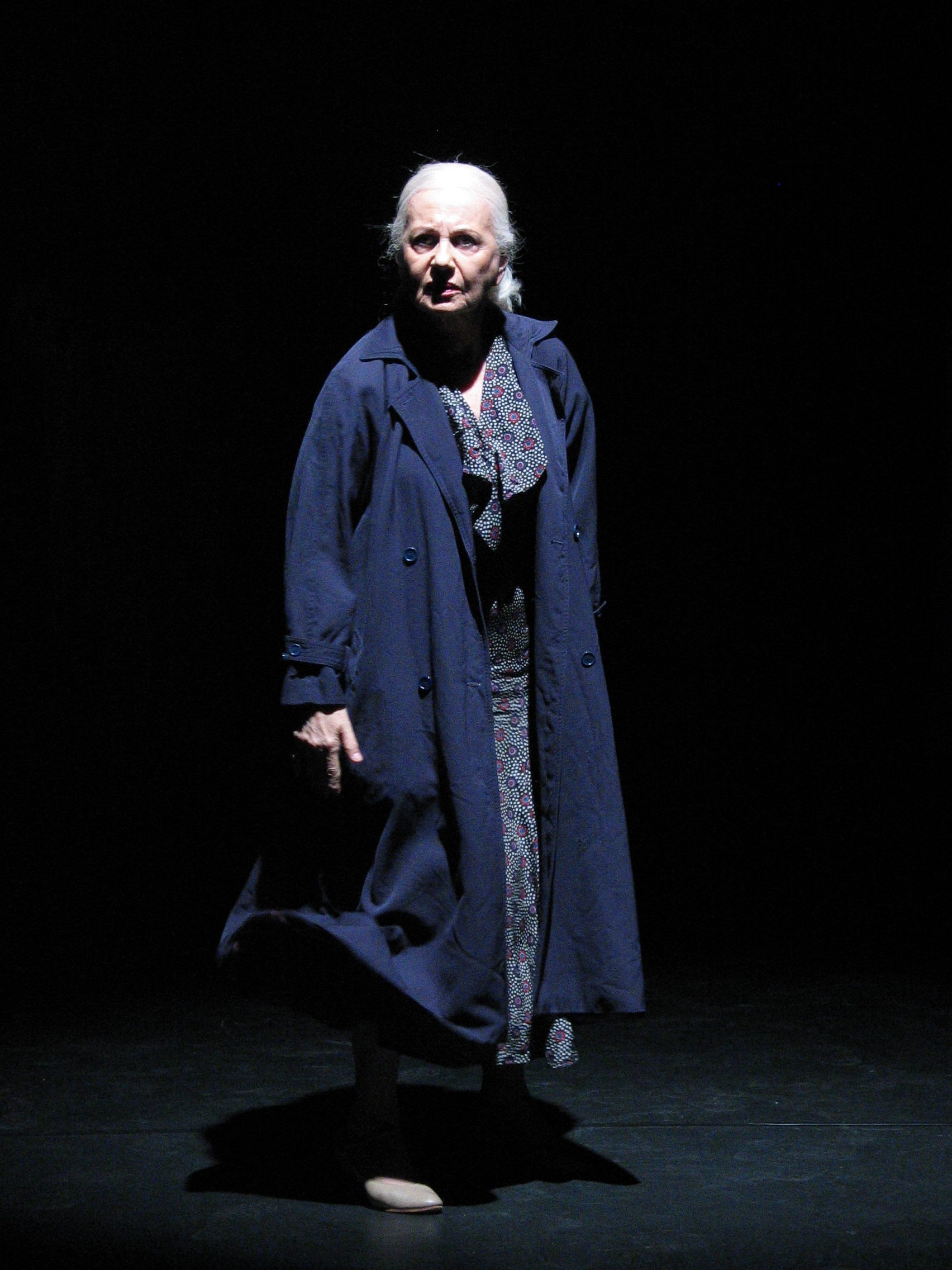
Theresa premiered at the Gulbenkian Theatre, Newcastle in 1990. Since then it has been seen in London at the New End Theatre, Oval House, the Spiro Institute at Willesden Green Library, the Arts Depot, the Lilian Baylis Theatre.
In France it has featured at Mauebuge’s International Festival and in Germany in Breitenau’s former concentration camp, the Gallus Theatre Frankfurt and at the Universities of Kassel, Giessen and Heidelberg.
The last full performance in Europe was in Vienna in 2003.
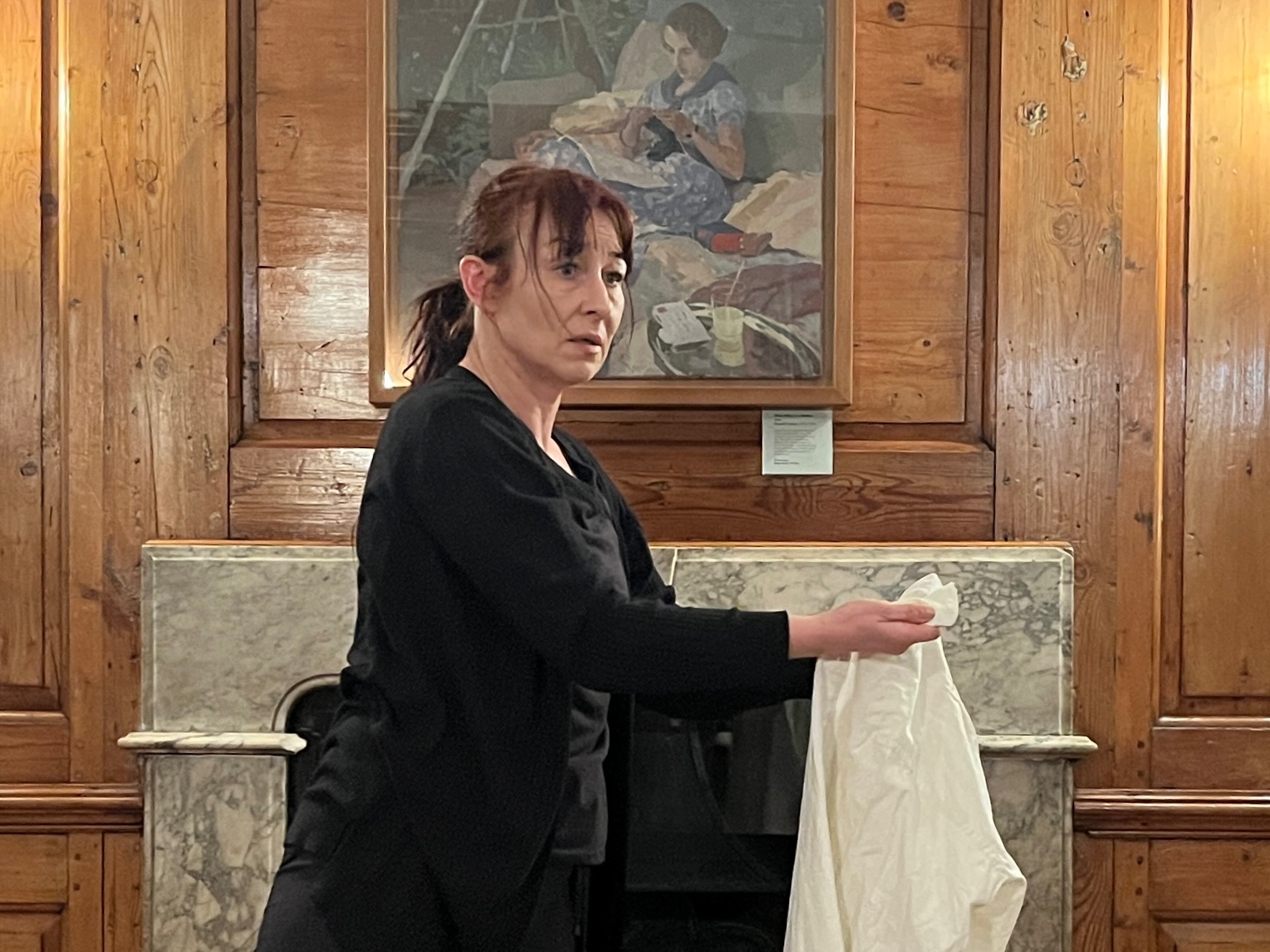
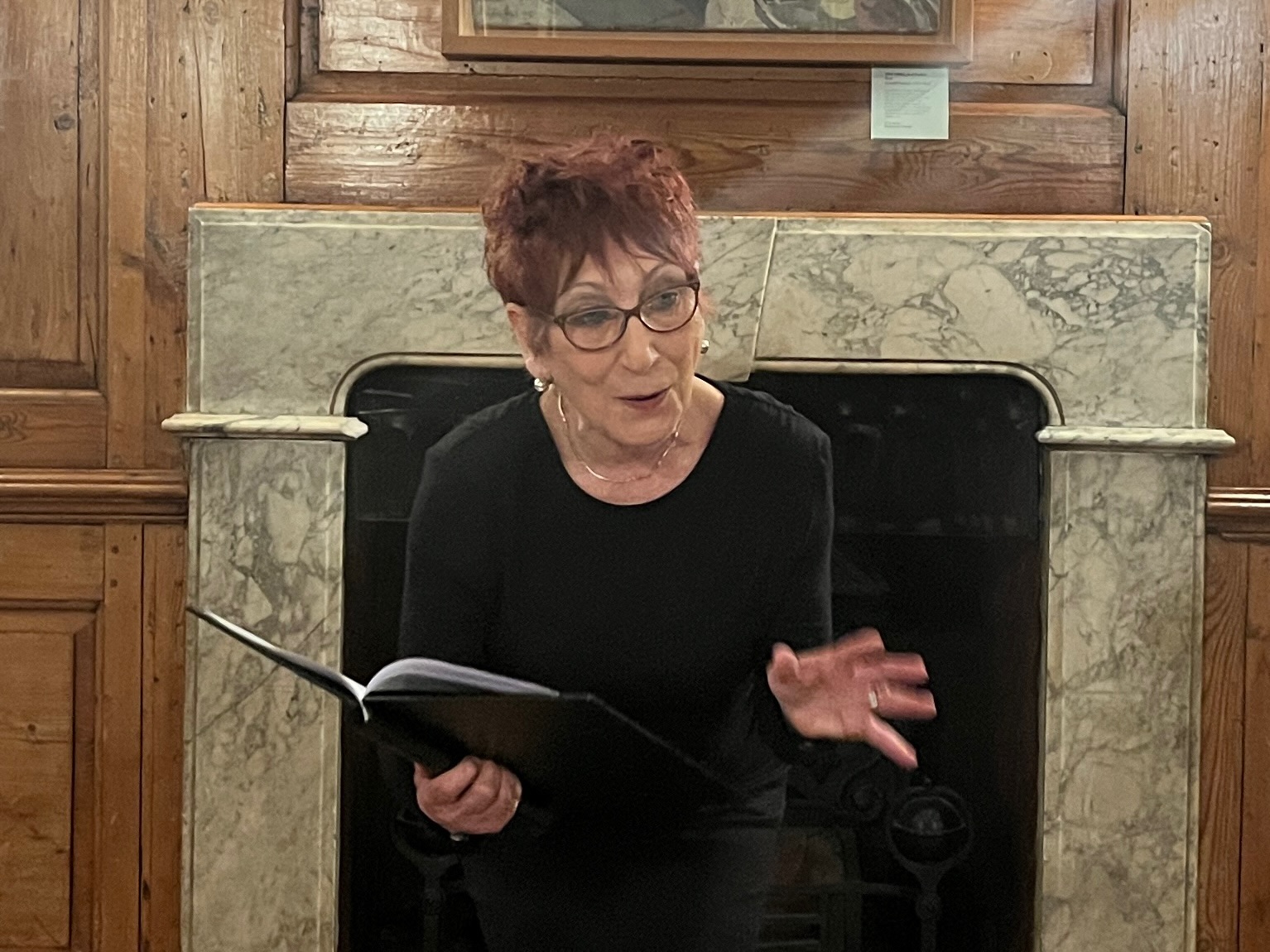
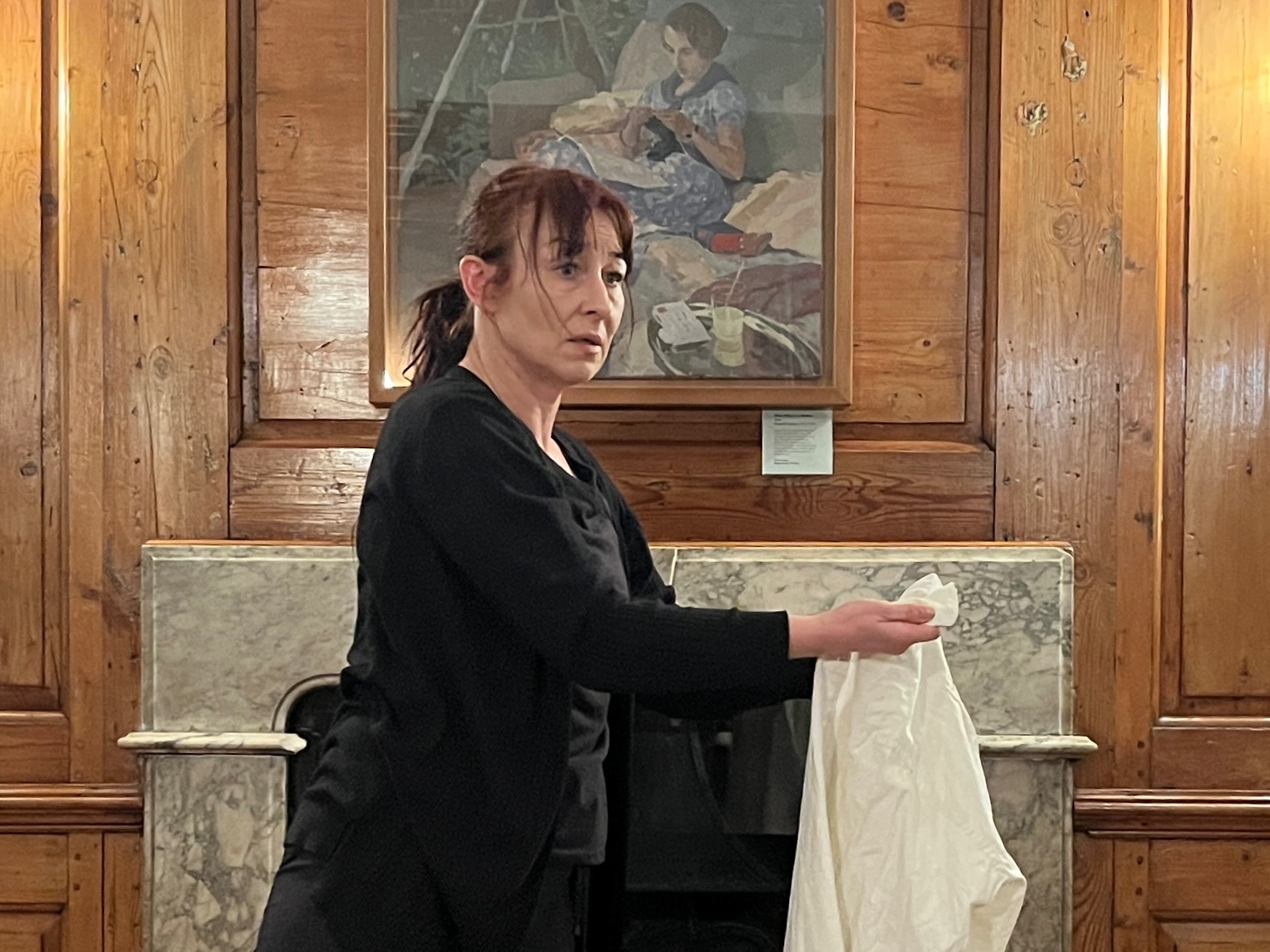
In 2024 a staged reading was given at Burgh House, London for Holocaust Memorial Day and, in 2025, at St James Arts Centre, Guernsey, the Channel Islands.
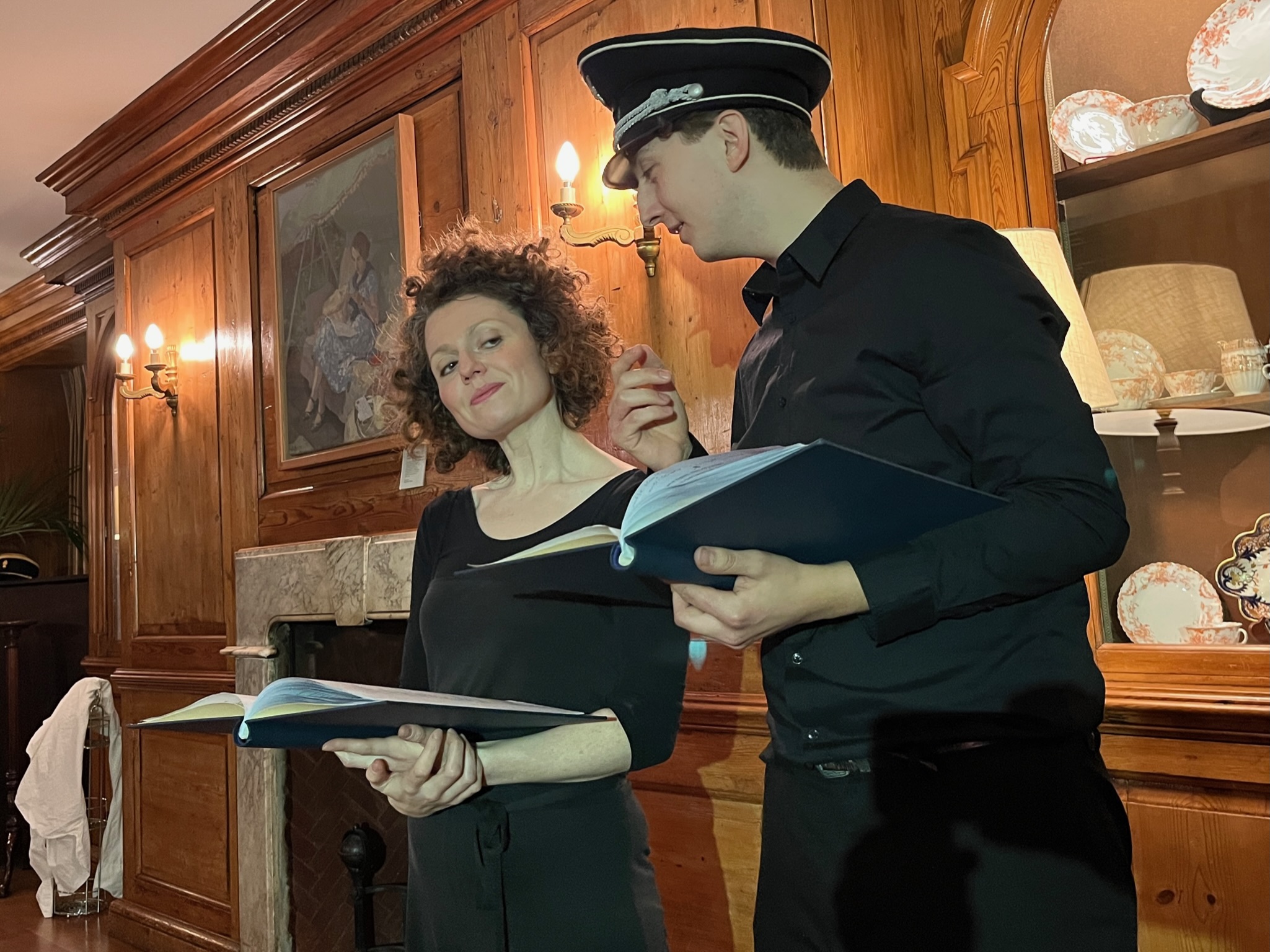
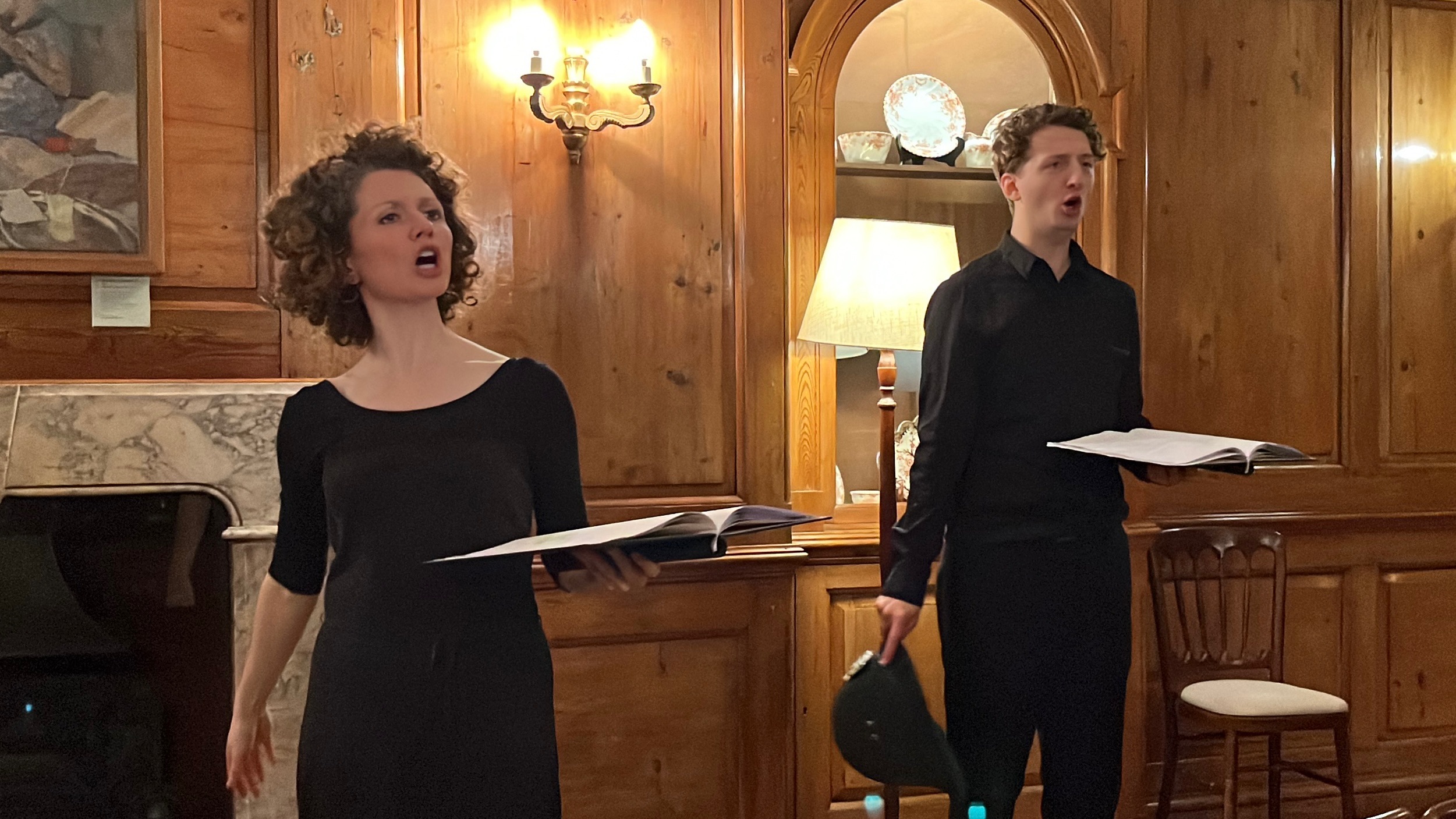
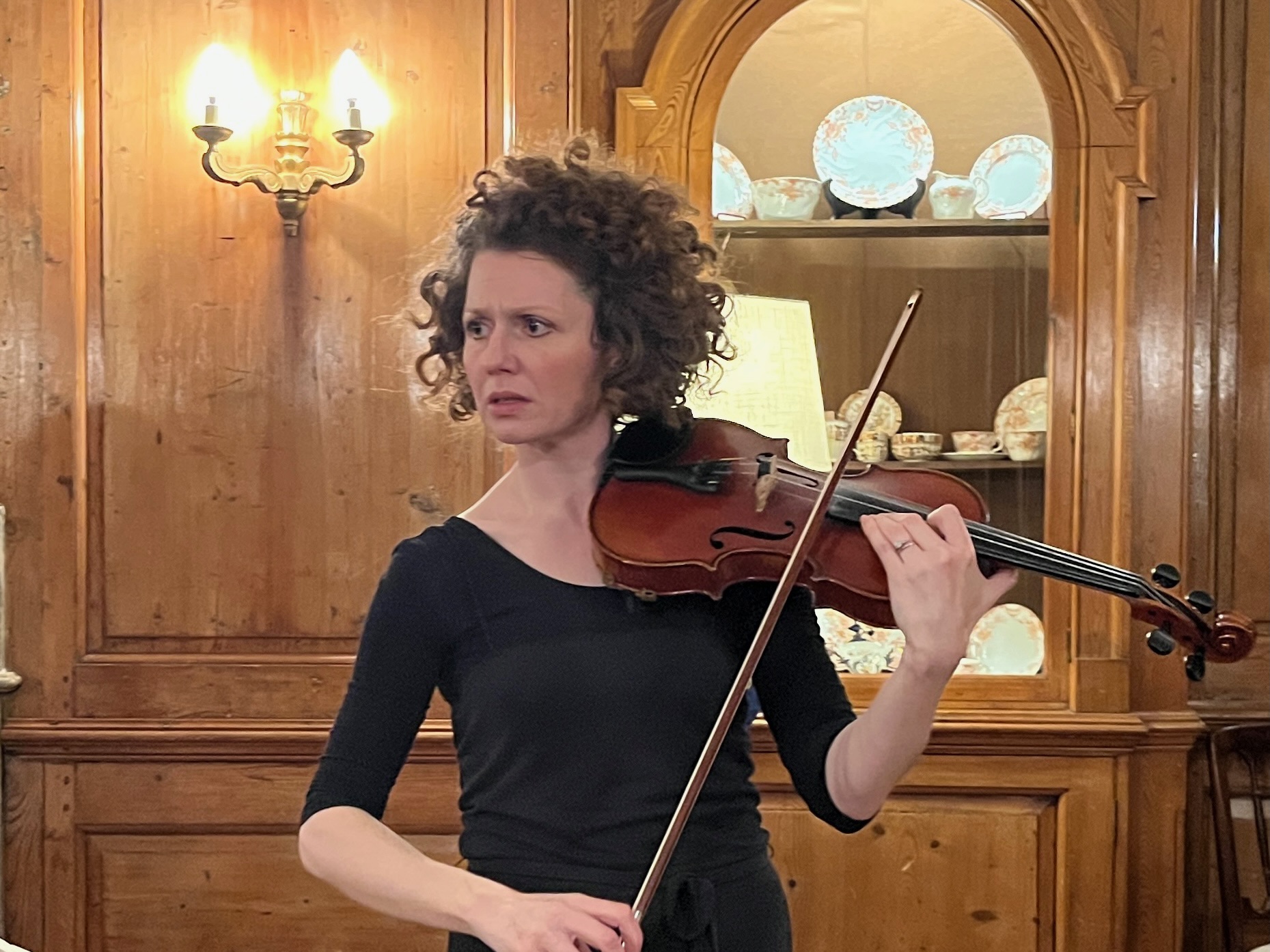
Theresa, written and directed by Julia Pascal. A semi-staged reading followed by Q & A at St James, Guernsey on Monday 28 April, 2025.
Cast: Fiz Marcus, Cassandra Michal Horowicz, Josef Milo Maris.
Musical Director: Flick Isaac Chilton.
The play Theresa reveals the collaboration of the Channel Islands governments with the Nazis on the only British territory to be occupied. It focuses on the true history of Theresia Steiner, a young, Viennese Jew, deported from Guernsey to Auschwitz-Birkenau. This happened as a result of Guernsey absorbing the Nuremberg anti-Jewish laws.
Theresia Steiner was forced off Guernsey in April 1942 and murdered in October 1942.
The short life of Theresia Steiner is the focus of this true drama. It shows what might have happened had the Nazis invaded the mainland and challenges the official narrative of British resistance.
In the 1990s, when the production was successfully touring and it was broadcast as The Road to Paradise on BBC Radio 4. It was suggested that the production be shown in Guernsey.
The Guernsey authorities demanded to see a script. They rejected the attempt to stage the work on the Island. Their reason was its ‘distasteful language.’ As the names of the guilty were spoken onstage, this can be assumed to have been be distasteful to Guernsey officialdom.
After this artistic censorship a new bid was made to hold a semi-staged reading in April with members of Pascal Theatre Company and organised by the magazine Jewish Renaissance.
It is good to acknowledge that the previous censorship has been stopped and the semi-staged reading was performed at St James, Guernsey on Monday 28 April.
‘The momentous occasion was covered widely in the local press, including BBC Radio Guernsey, ITV and Bailiwick Express.
Check the review of the play by Jewish Renaissance here.
Check the review in the Bailiwick Express here.
‘A stirring piece of theatre acted with intensity and watching it in Guernsey will stay with you forever.’ Neena Dhaun, Bailiwick Express. Read the review here.
The play is published by Bloomsbury/Methuen. https://www.bloomsbury.com/uk/holocaust-trilogy-9781840020946/
A semi-staged reading of the play followed by Q & A, Burgh House London NW3 1LT 7pm 19 June 2024
Written and Directed by Julia Pascal
Cast: Fiz Marcus, Cassandra Michal Horowicz, Josef Milo Maris
Composer and sound designer: Flick Isaac Chilton
Assistant Director: Conrad Cohen
Theresa is based on the real life of Viennese Jew Theresa Steiner, who was betrayed to the Nazis by the British authorities on the island of Guernsey. Along with other Jewish women living on the island, Theresa Steiner was sent from Guernsey to Auschwitz, where she was gassed.
This is the story of the only British territory to be invaded by the Nazis and the play reveals a secret history of large-scale collaboration.
Feedback:
‘We were totally blown away last night. I was riveted, awake, focused and fully engaged= during the performance. I was deepened and moved.’
‘Riveting wonderful evening.’
‘This play needs to be seen more widely.’
‘What an amazing cast! We were spellbound by their performances.’
Some questions asked:
Audience: When did you write it?
Julia Pascal: 1990 and I revived it as a reading as I feel it is still vitally important. We toured it in the UK, France and Germany.
Audience: Why is this history not better known?
Julia Pascal: It challenges the national narrative of Britain as The Good Guy who would never have collaborated with the Nazis.
Audience: Why were the Channel Island authorities not punished for collaboration?
Julia Pascal: I met one of the grandsons of Bailiwick Carey who was Britain’s Pétain. He said Winston Churchill did not know whether to hang his grandfather as a traitor or knight him. He knighted him. The postwar British government whitewashed the truth of collaboration on the Channel Islands. It is still emerging as the families of young men who were used as slaves on Alderney seek the truth about their relatives.
Audience: It should be shown in schools and universities. Why don’t you do that?
Julia Pascal: We need funds to do that. These are professional performers who must be paid. If you know of any benefactors who would sponsor the show, we would be delighted to give it a further life.
Audience: Why did you restage the reading?
Julia Pascal: We performed it in January for Holocaust Memorial Day and I wanted to respond to the rise in antisemitism in Britain by showing the country’s recent history.
Audience: Did you change it?
Julia Pascal: I added more music as I wanted to express huge events through musical association. For example, the French national anthem, the Marseilleise is overtaken by Deutschland Über Alles on the piano so that the music can let the audience get that picture of Nazis marching down the Champs Elysées.
I also wrote a new speech. It is a spoof of the BBC’s broadcasts with a musical reference to Workers’ Playtime. The jolly voice of the broadcaster who is anti-immigrant. He reveals how England allowed in some German Jews but only if they could get work as butlers and maids. The text here reveals antisemitism which was so present in England in the 1940s. Some of the text spoken then is of course resonant today. Jews are still associated as being a foreign threat.
Previous production at Burgh House London NW3 1LT : 28 January 2024
A semi-staged reading of the play followed by Q & A
Cast: Fiz Marcus, Cassandra Michal Horowicz, Josef Milo Maris, Marzena Krywult.
Composer and sound designer: Flick Isaac Chilton.
Assistant Director: Conrad Cohen.
Feedback:
‘A highly successful performance.’
‘How you managed to pull something that powerful on a slither of space is a huge testament to your artistry & determination. Well done!’
‘I found the staged reading of Theresa incredibly moving.’
‘Brilliant.’
‘The Q & A was really interesting.’
Ruth Posner who played Theresa in the original production took part in the Q & A
Some questions asked:
Audience: Is the play still banned in Guernsey?
Julia Pascal: It would be, if I tried to put it there. The situation in Guernsey is that you have to apply for a licence to put a piece of theatre on… I was asked to send the script and told, ‘No, we can’t accept it. It has obscene language in it like “shit”’. In fact, the obscene language was the names of the guilty or mentions guilty.
Audience: Was there a similar story on the other Channel Islands?
Julia Pascal: Alderney was a yet another story. It was completely evacuated but it was run by Guernsey, the Bailiwick of Guernsey. It was a slave camp where they had French, German, Russian, anyone anti-Nazi there.
Previous production History
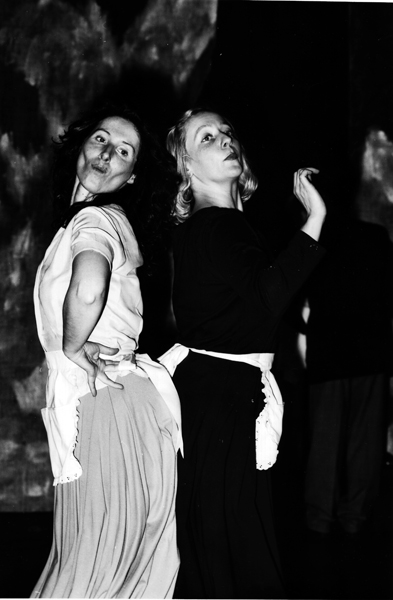
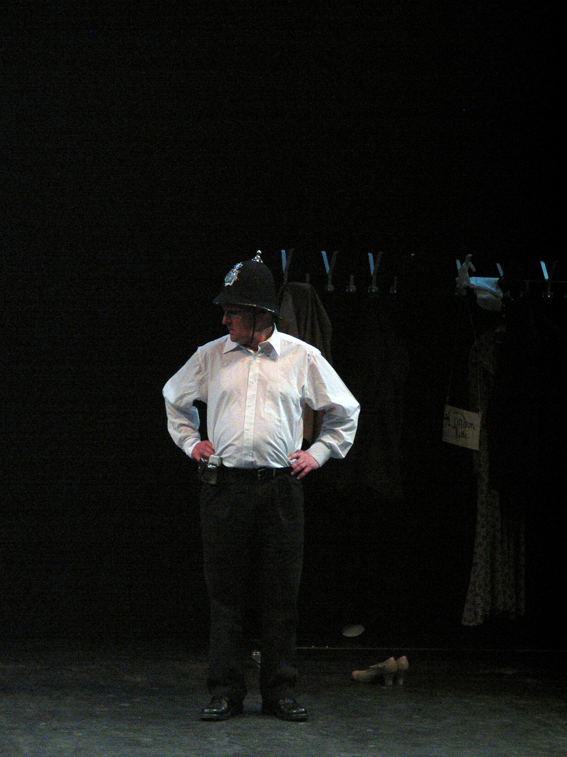
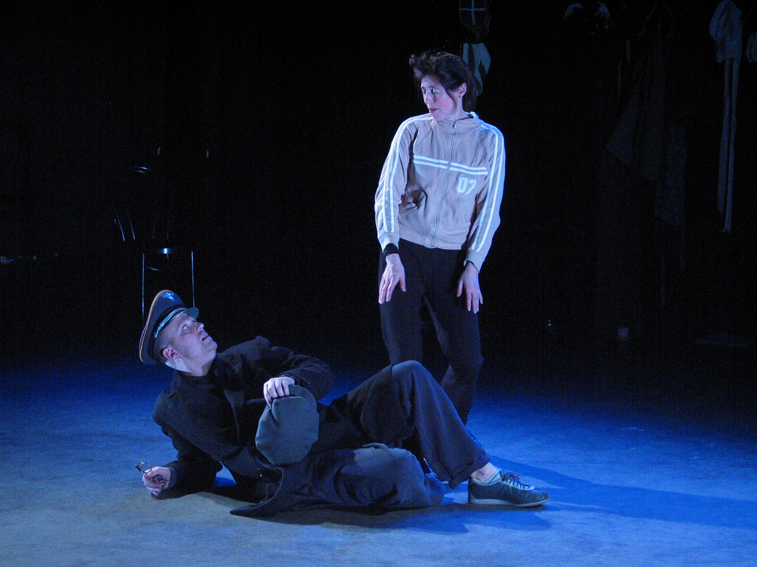
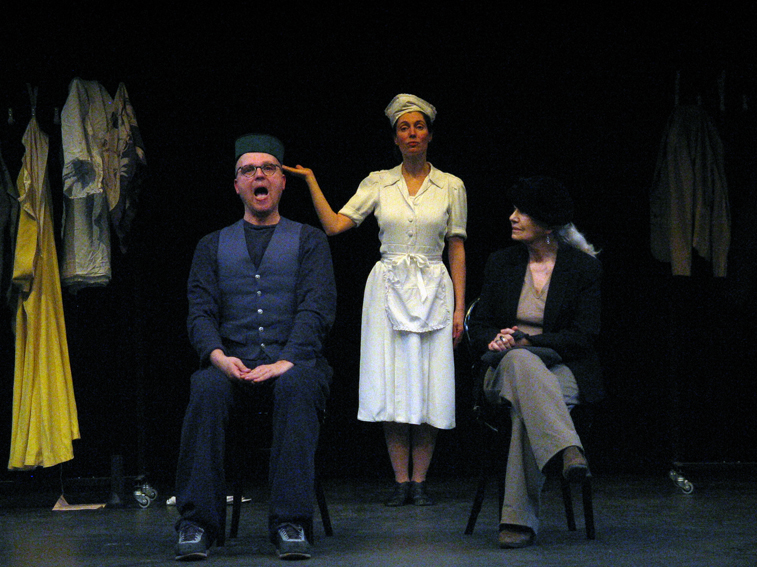
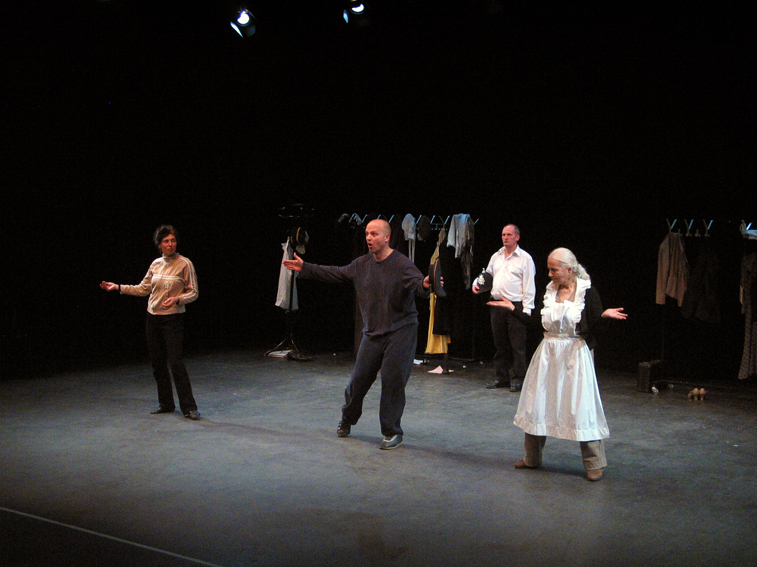
Theresa toured internationally for twenty years. Banned in Guernsey, the play was also broadcast as The Road to Paradise on BBC Radio.
The original production featured Ruth Posner, actor and Ghetto-survivor, in the title role. Ruth will be present in the post-show Q&A.
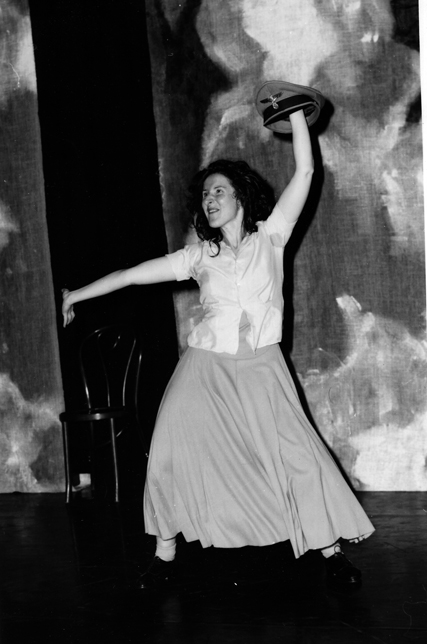
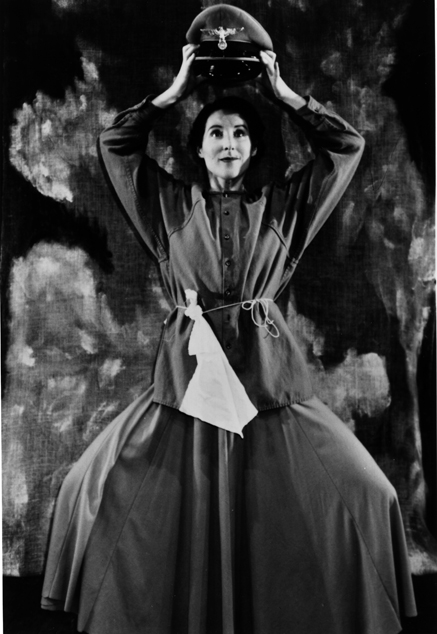
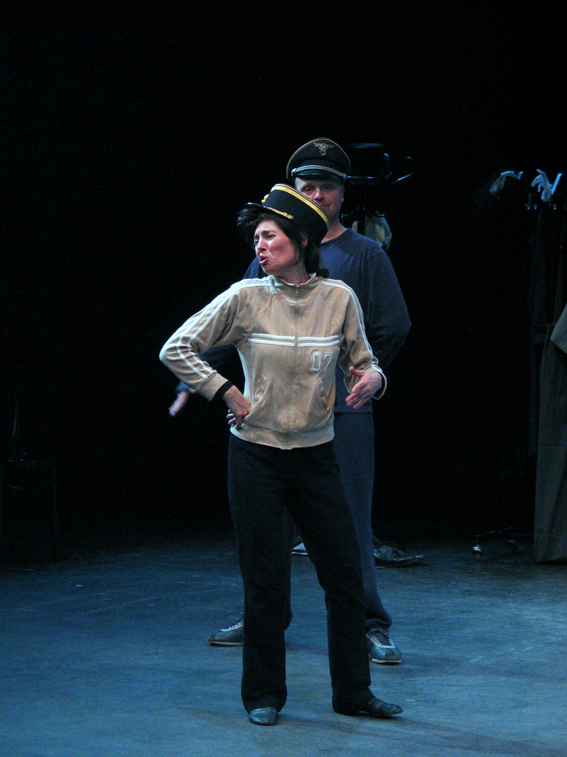
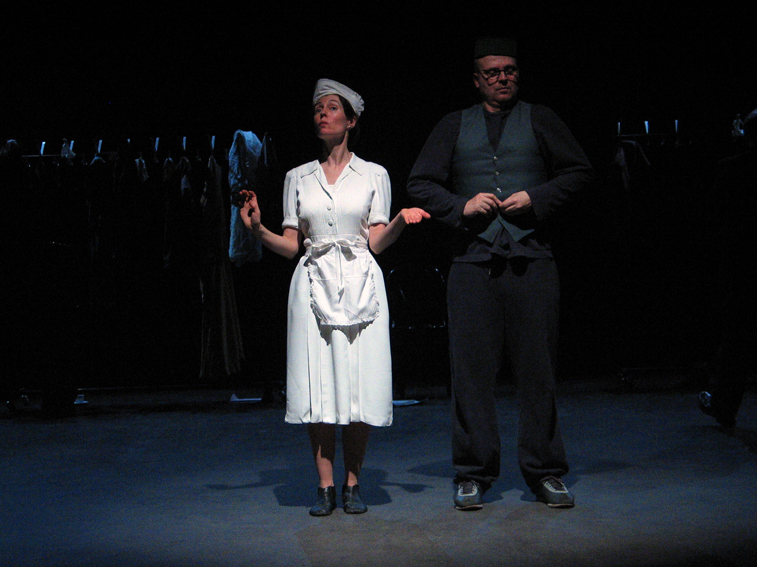
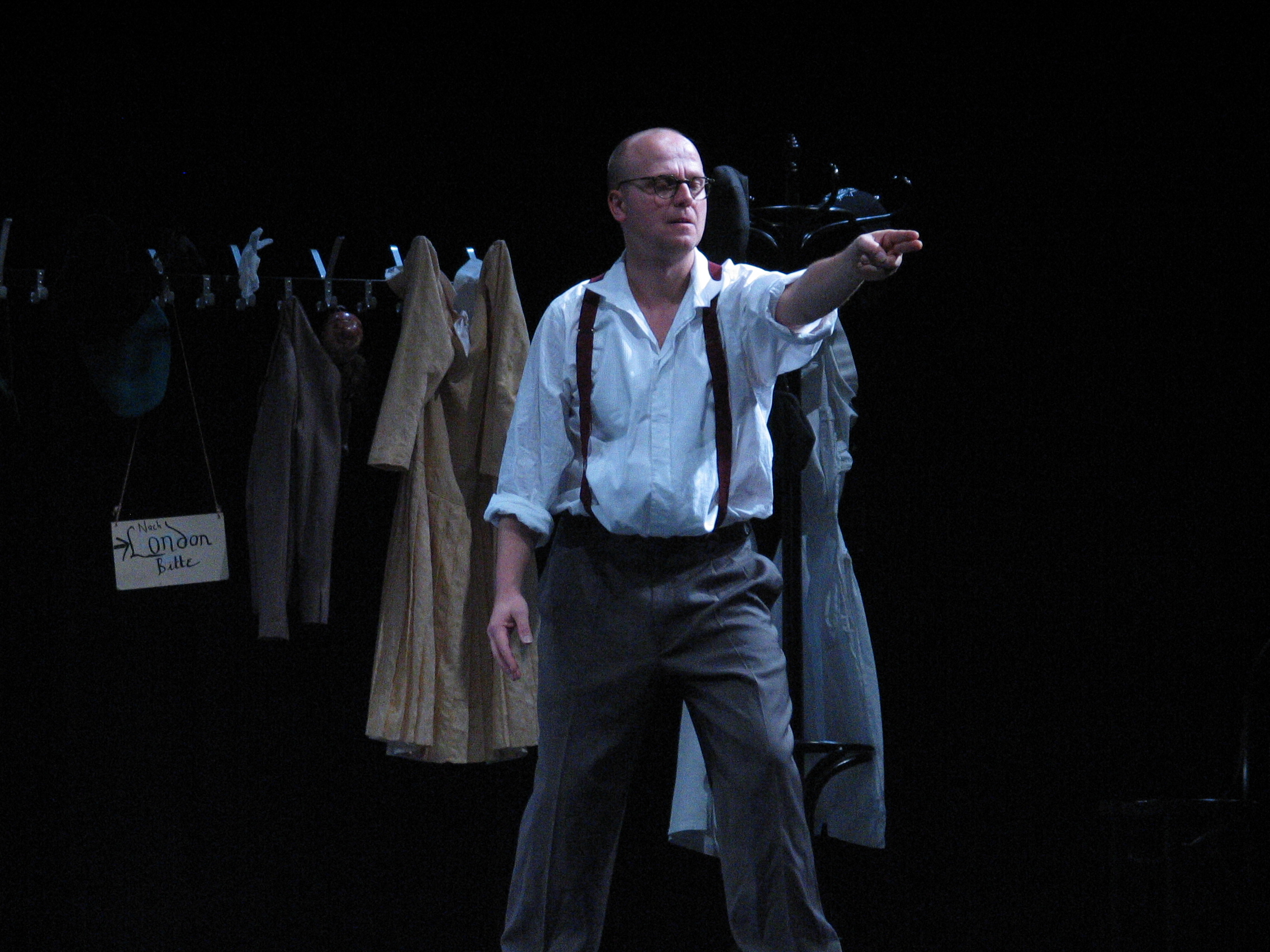
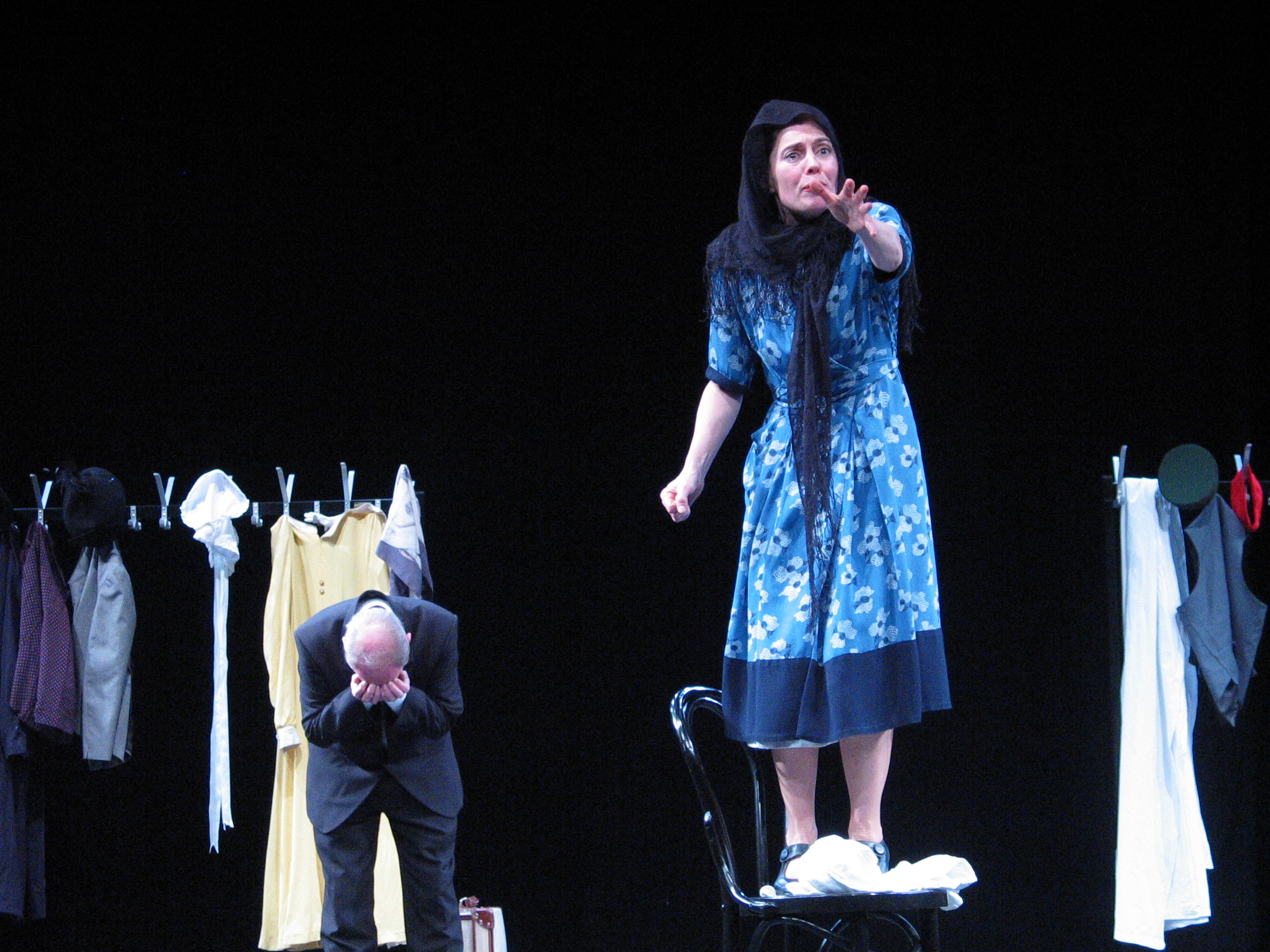
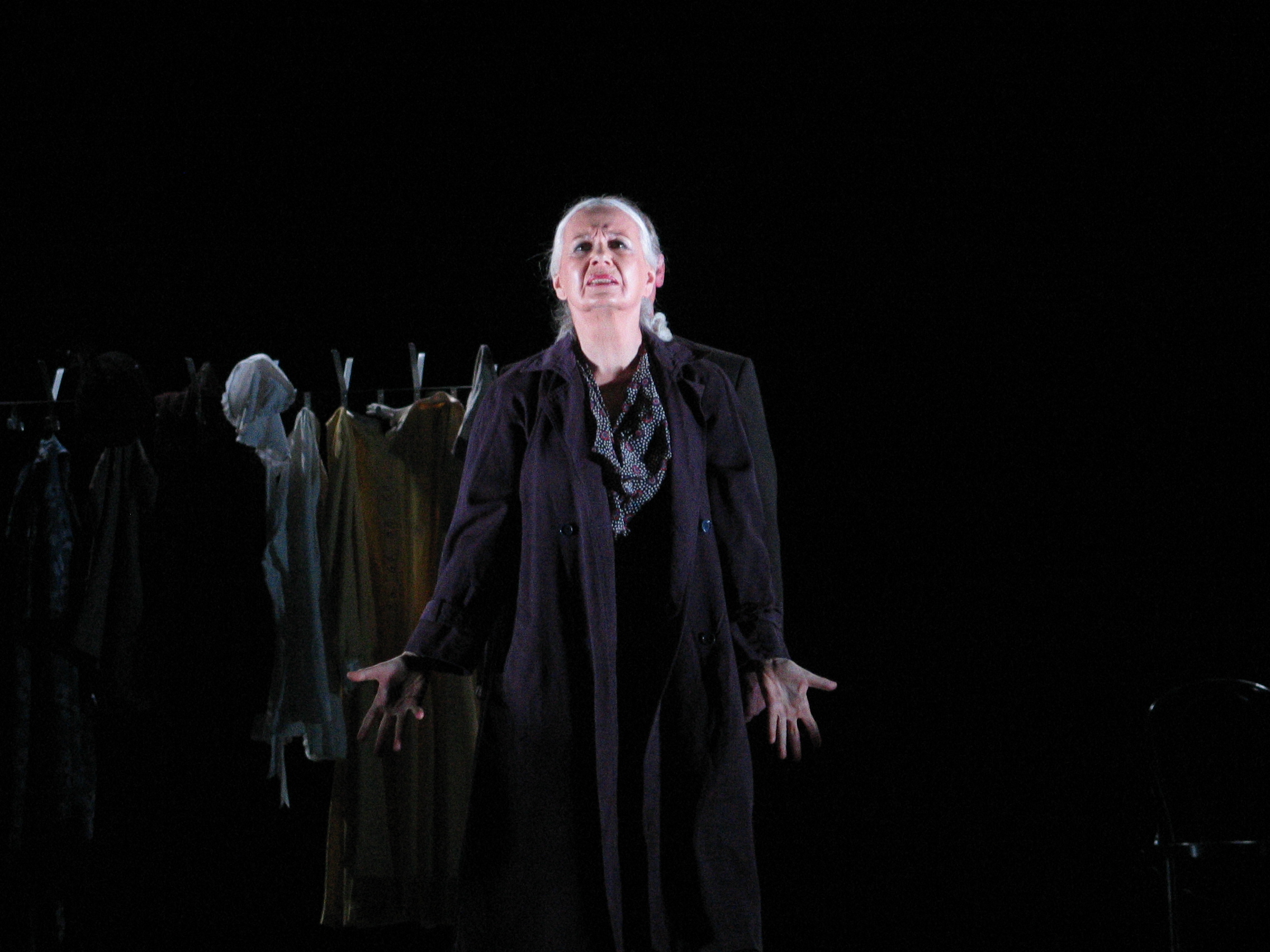
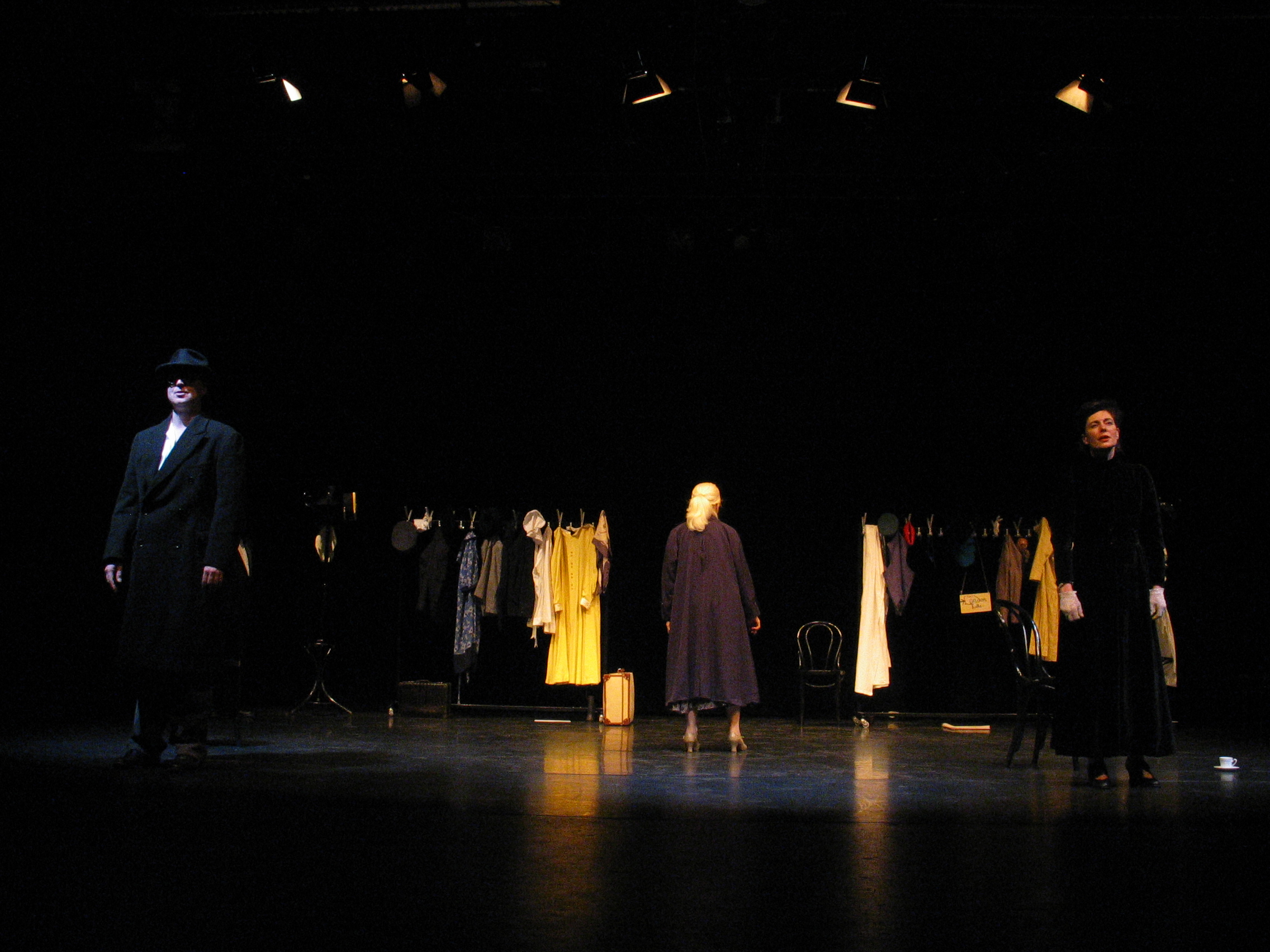
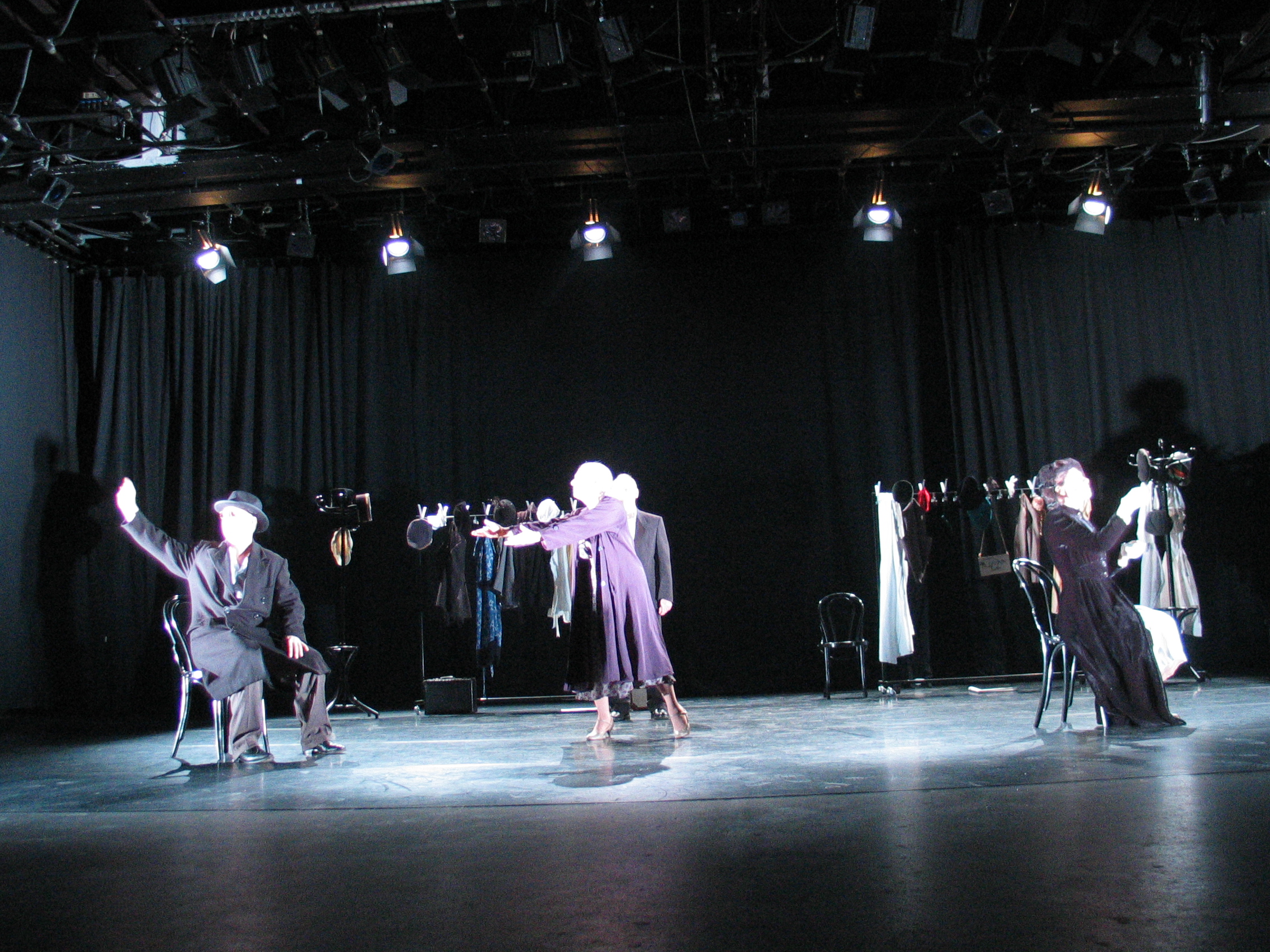
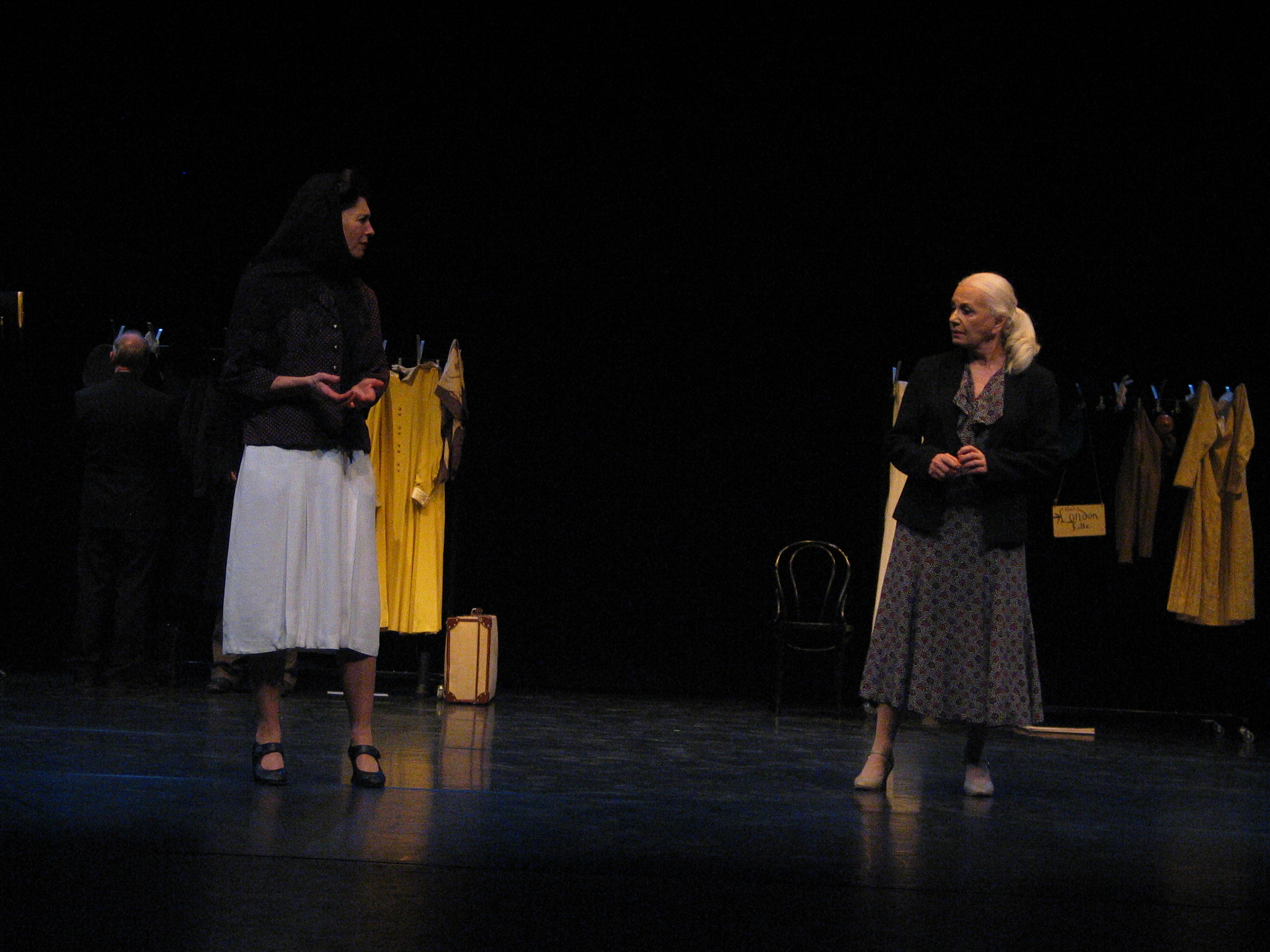
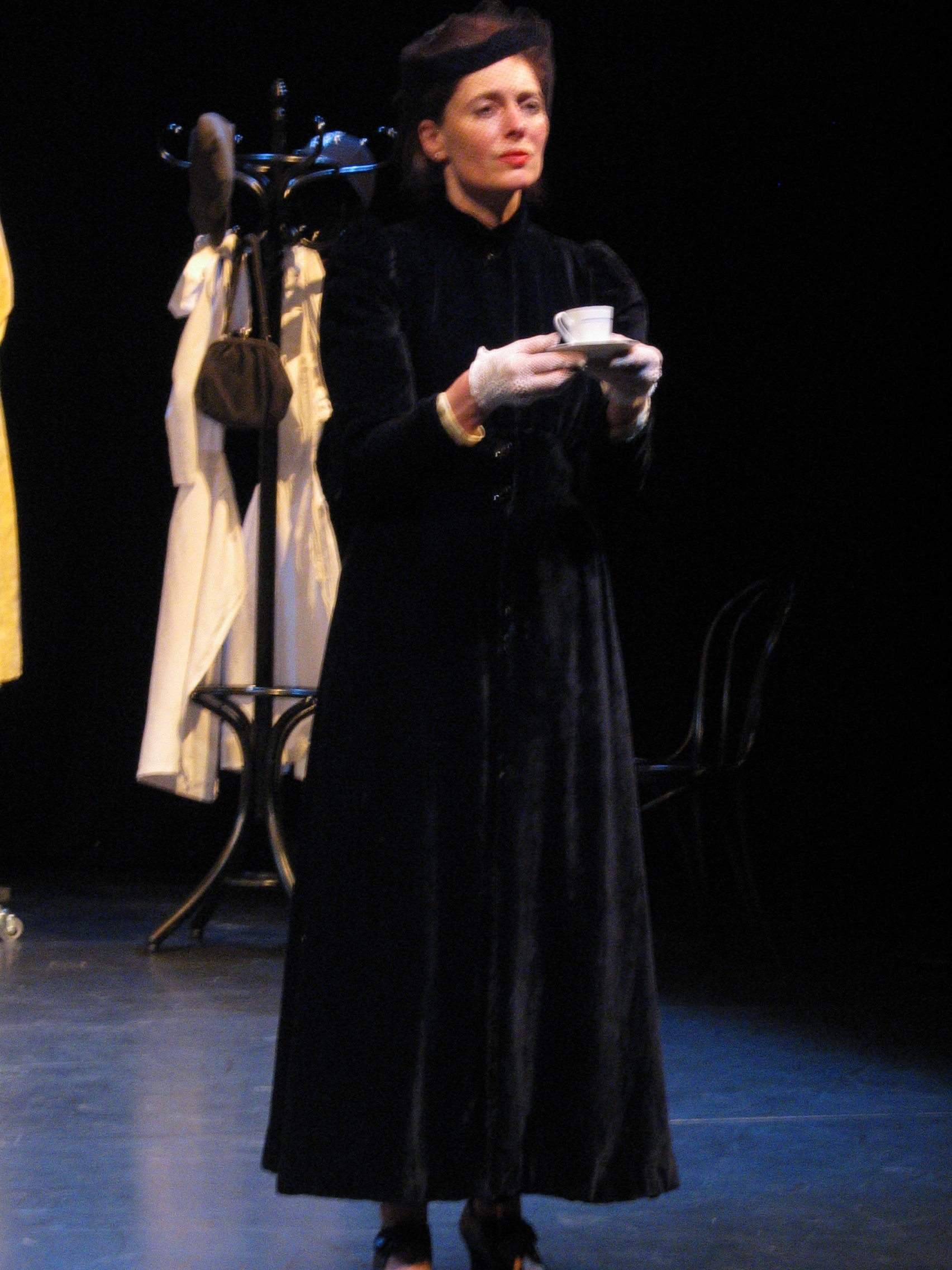
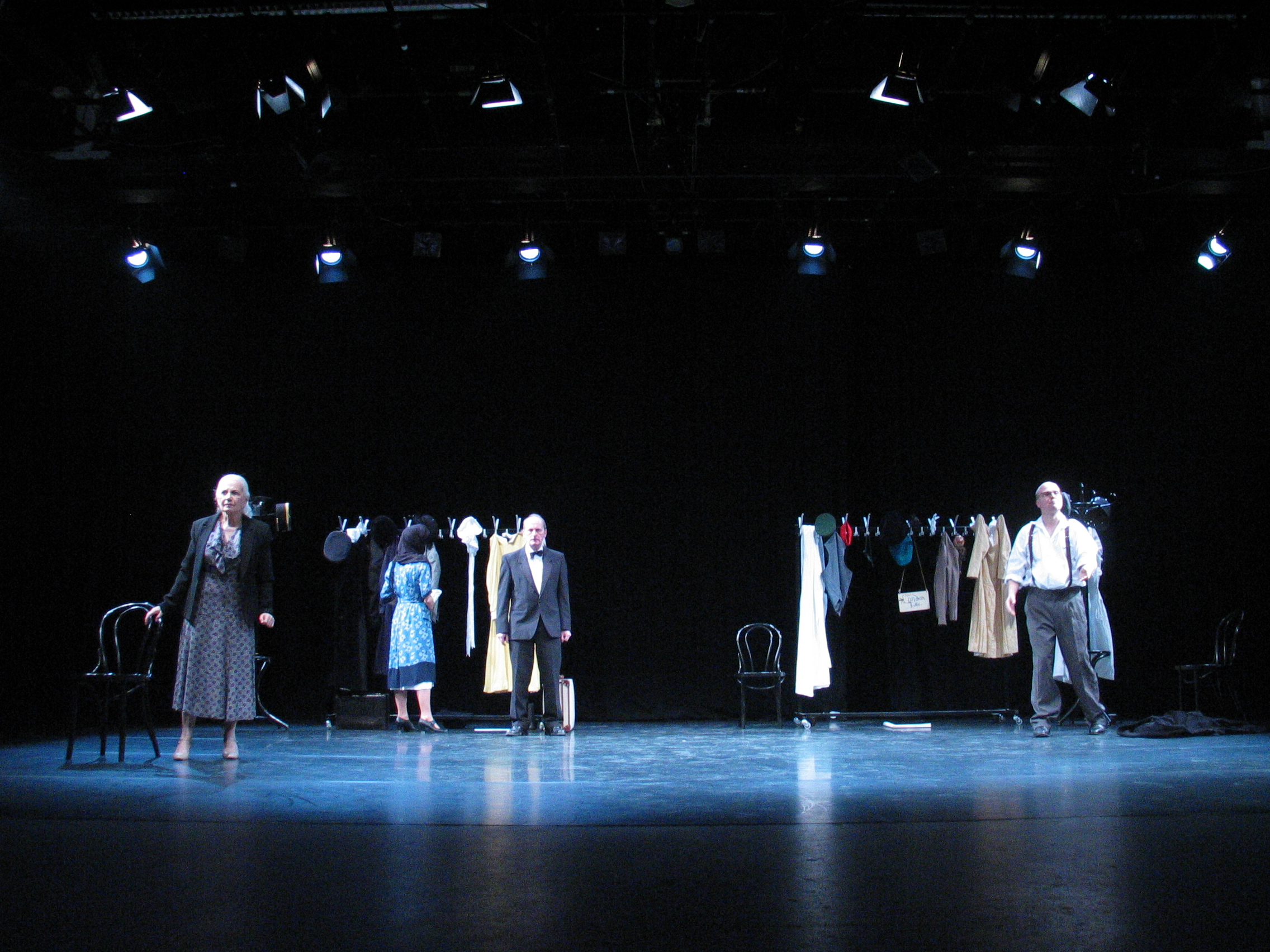
Reviews
“Pascal’s play is a tense and stirring piece of theatre, acted with fierce intensity by an international cast”
The Times Read more
“… an excellent example of how skilled players can convey a wide range of character and emotion with only
a few props and a shift of expression and accent”
Jewish Chronicle
“Truly experimental and truly European, Theresa plays with form on every level, fusing dance with theatre, music with text
and juggling fragment of French, German and Polish within a predominantly English script… arresting”
City Limits
VIENNA MUSIC CONSERVATORY 1938
THE LESSON
(THERESA gives her final lecture to her students in Vienna Conservatory.)
THERESA
Today we were to continue our discussion on Schönberg. We will not be doing that because today is my last day as Professor of Music in this Conservatory. The Nazis have forbidden Jews to teach gentiles. We Jewish teachers must disappear. As undergraduates you have the right to expect the broadest education. We are all the inheritors of those who question our bourgeois, conservative society. New forms are being expressed. James Joyce, Sigmund Freud, Alban Berg, Stravinsky, Schönberg, Weill, Eisler are a few who challenge the old order. These men are despised by the Nazis. Hitler sees them as ‘degenerate’. But what is ‘degenerate’? To him all Jews are ‘degenerate’. To him Bolsheviks, Communists and Socialists are ‘degenerate’. They are taking these so-called degenerates to Dachau. When I was a young woman I used to stare in fascination at my own hair. Sometimes a strand of black, coarse, frizzy hair would appear. My hair always had to be tamed when I was a child and there were hours spent by mother brushing it in some kind of order. I used to care because it wasn’t smooth and fair like other girls’. It was like a gypsy’s, they would say. Or an African’s. The Nazi ideal is to make people with hair and features which conform to the Aryan stereotype. In this New World there will be no room for our differences. Our quirky individual differences. Beauty will be made to order. They are already killing their own old people and they want to kill all Jews, gypsies, Communists and homosexuals – anyone who doesn’t fi t into the myth of the Super Race. Up to now you’ve been lucky enough to taste the flavour of these new languages. You’ve listened to Schönberg, read Sigmund Freud, seen the works of Erwin Piscator and Georg Grosz. Whether you accept the Nazi art is up to you. But you will have tasted the forbidden. Whatever happens to me, you must go on. Remember our discussions and whisper them to your friends. Seal them in your brain cells until this ‘order’ is over. [Pause.] I wish you long life.
FRENCH STUDENT
May I speak to you, Frau Doktor Steiner?
THERESA
Yes, of course.
FRENCH STUDENT
My name is Esther Jacobson. I am from Paris. I heard your talk.
THERESA
You are not one of my students, are you?
FRENCH STUDENT
No. I am studying Fine Art. Or rather, I was studying.
THERESA
Are you a Jew?
FRENCH STUDENT
I have a Jewish grandmother.
THERESA
You could go back to France.
FRENCH STUDENT
And if the Nazis invade France there will be plenty of ‘righteous Christians’ who will be delighted to talk about my grandmother.
THERESA
What will you do?
FRENCH STUDENT
I have to go to Palestine. It’s the only place we can be safe.
THERESA
And if the British don’t allow you in?
FRENCH STUDENT
I’ll get in illegally. Come with us?
THERESA
I can’t do that.
FRENCH STUDENT
Why not?
THERESA
I don’t speak Hebrew.
FRENCH STUDENT
You’ll learn.
THERESA
There is more to it than the language. I am a European. I am not a Zionist. Europe is my home. We are Austrians. My husband fought in the last war. My parents came from Poland. I speak Polish, German, French and English. These are my languages. I am a European. Why should I be pushed off this continent because one man says so? I have the right to live here. Why should I be forced to live in the Middle East?
FRENCH STUDENT
How will you survive?
THERESA
I will go to London. I have made arrangements. I will go to London with my son. We will wait until this is over. We will start again.
FRENCH STUDENT
Excuse me but aren’t you being a little naïve?
THERESA
Naïve? [Beat.] Maybe you are right. I have become a ‘Christian’ Jew. I’ve got used to a little bit of antisemitism every day. A remark about a large nose, a dark appearance, love of money. Killer of Jesus.
FRENCH STUDENT
Maybe I’ll see you next year? InJerusalem?
THERESA
Maybe.
Production History
Theresa was premiered at the Gulbenkian Theatre, Newcastle in 1990 and has since played in London at:
Oval House
Spiro Institute
Willesden Green Library
Lilian Baylis Theatre
Theresa played internationally
In France:
The International Theatre Festival, Maubeuge
In Germany:
Gallus Theatre, Frankfurt
Universities of Kassel, Giessen and Heidelberg
Breitenau’s former concentration camp
In Austria:
Vienna 2004
Director: Julia Pascal
Choreography: Thomas Kampe
Lighting: Ian Watts
Sound: Colin Brown
Original Music: Kyla Greenbaum
Theresa is part of The Holocaust Trilogy available to purchase from Bloomsbury
© 2026 Julia Pascal. This play is protected by copyright law. This piece may not be fed into any LLM or other AI software for any reason. By downloading this script, you agree not to upload it to Scribd or similar websites. No part of this script (or any other scripts found on the New Play Exchange, my website, or the internet) may be uploaded to and/or used to train artificial intelligence chatbots, systems, applications and the like.